

How to Finance Your New Home in Central Virginia
Whether you’re building with Rock River or buying a house that’s move-in ready, here’s how to pay for your new home.
Financing Options
Two paths, depending on how you’re getting your home. Pick yours to see how Rock River can help.

If You’re Building
Most buyers finance a build with a construction loan, which pays for your home in stages as work is completed and then converts to a regular mortgage. Our team coordinates the draws, inspections, and lender communication along the way.
For qualifying buyers, Rock River can also finance the construction phase directly. That means no upfront construction loan closing costs, no monthly payments while your home is being built, and one closing when it’s finished.
If You’re Buying
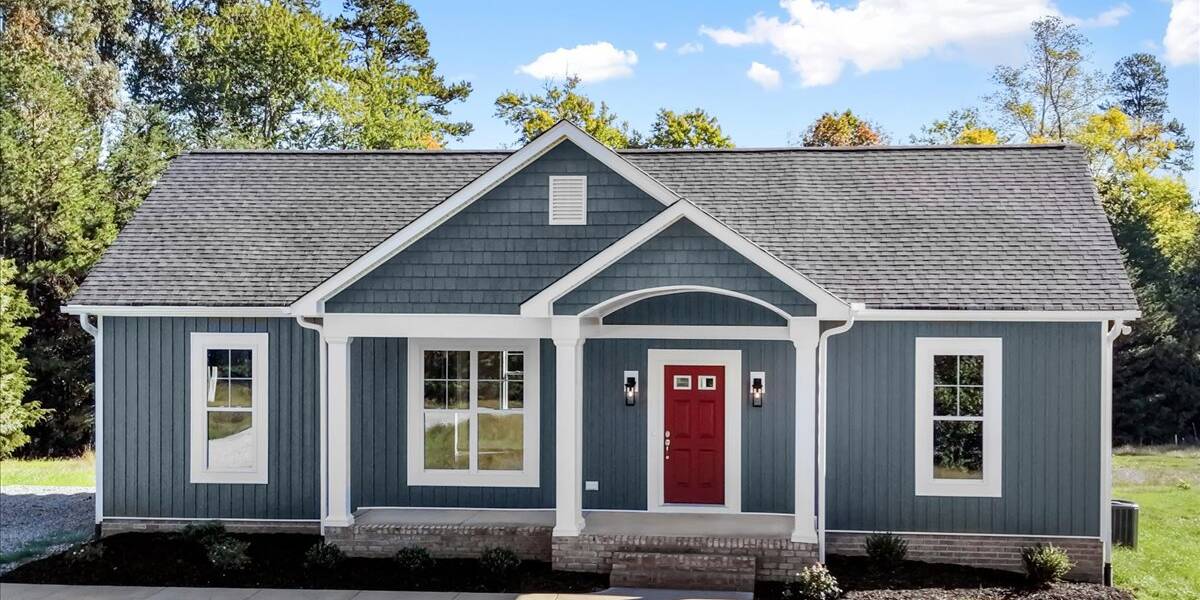
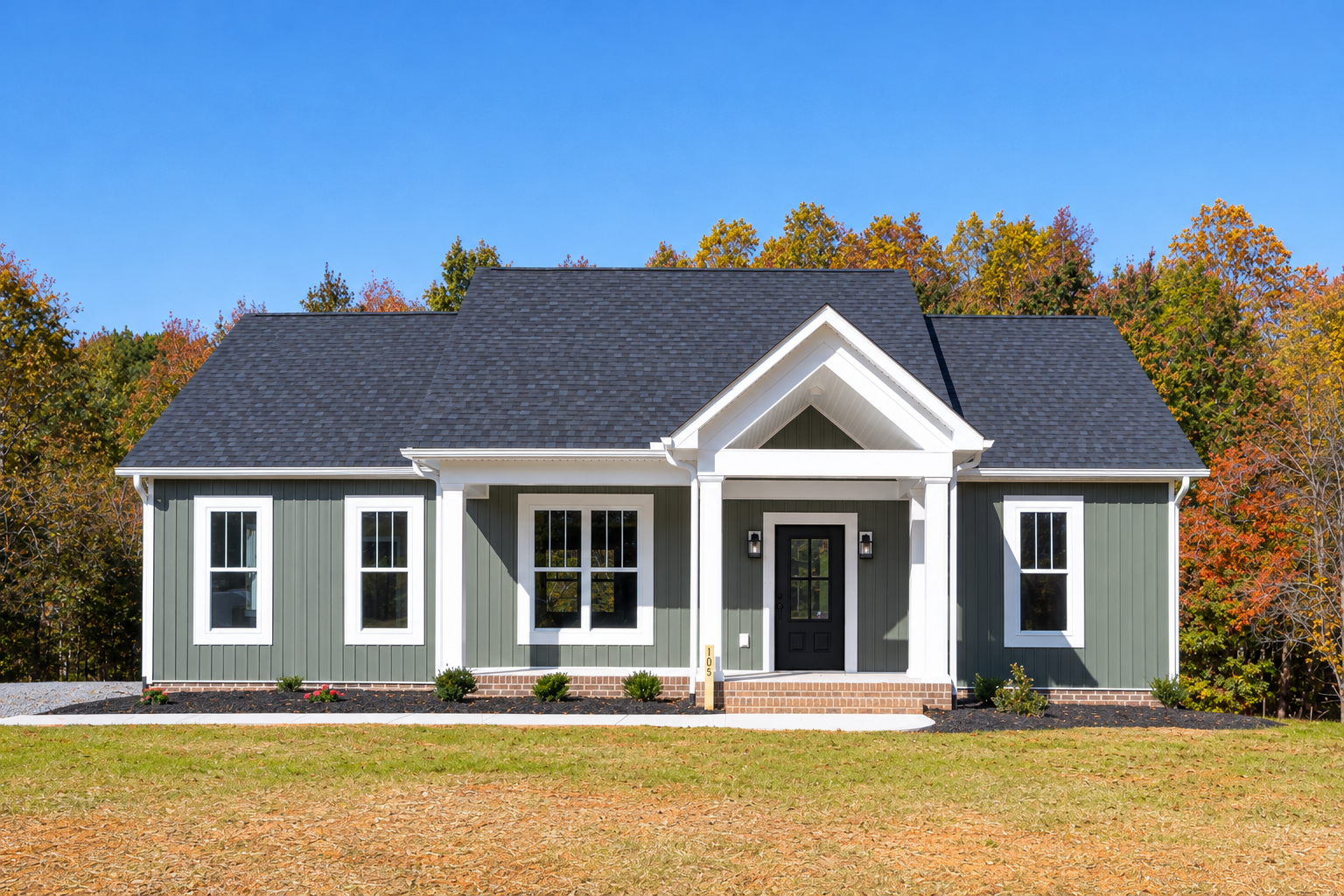
Our available homes are move-in ready, so buying one works like any other home purchase. Many buyers use conventional financing, and USDA loans offer qualifying buyers a no-money-down option in eligible rural counties, which include many of the areas where we build.
Our lending partners know our homes and process well and can help you find the right fit from pre-approval through closing.
Our Lending Partners
Whether you finance through one of our lending partners or your own lender, Rock River stays with you from application through closing. We work with lenders who understand new-home and rural construction financing.
Having a mortgage pre-approval in hand can speed up the process. To see what your loan options are, start with a conversation with our team and we’ll make the right introduction.

Ways to Finance a Build
If you’re building, there are a few common paths. Which one fits depends on your land, your finances, and how you want to handle the build.
Construction-to-permanent loan
- Funds the build in stages, then converts to a standard mortgage
- One closing and one set of closing costs
- A common path for custom home buyers
Financing with Rock River
- For qualifying buyers, Rock River may handle the construction financing directly
- No upfront construction-loan closing costs
- No payments during construction
- One closing after the home is finished
Land equity as a down payment
- If you already own land, its value can often count toward your down payment
- Common with inherited or family land

If You’re Building: How Construction Financing Works
Building a home is financed differently than buying one. Here’s what goes into your budget, and how the money moves while your home is being built.
What Goes Into Your Total Project Budget
The home price is one line item. Two buyers building the same floor plan can end up with very different totals, depending on the condition of the land.

Land cost (if purchasing)
Base home price
Floor plan modifications and upgrades

Site prep: clearing, grading, driveway

Well drilling (if no public water)
Septic system

Electrical hookup or underground service

Permit fees (vary by county)
Loan closing costs and interest (if using a construction loan)
A Typical Draw Schedule
Construction loans release money in stages, called draws, as each phase of the build is completed. A typical schedule has six draws: site prep and foundation, framing, roofing and dry-in, plumbing, electrical, and HVAC, interior finishes, and final completion. An inspector checks the work before each draw is released. The final draw comes once the county issues a Certificate of Occupancy, its approval to move in.

When Rock River finances the construction phase for qualifying buyers, we handle this part. You close once, when your home is finished.

Ways to Finance an Available Home
A move-in-ready home doesn’t need a construction loan. Financing looks like a standard home purchase.
Standard mortgage
- The full loan amount is provided at closing
- Payments begin right away
- No construction draws or inspections
USDA zero-down loans
- Zero-down financing for available-home purchases in eligible rural counties
- Income and property eligibility rules apply
- Not an option for design-and-build projects
Work with our lending partners
- Pre-approval can speed up closing
- We’ll make the right introduction, or work with your own lender
Common Questions
Financing a new home raises a lot of questions, especially if you’ve never built before. Here are the ones we hear most often. If yours isn’t here, our team is happy to talk it through.
Usually, yes. Owning your land covers the lot, but the home itself still needs financing unless you’re paying cash. The good news is that your land can work in your favor. The value built up in your property can often count toward your down payment, which can lower how much cash you need upfront. For qualifying buyers, Rock River can also finance the construction phase directly, so you skip the separate construction loan and close once when your home is finished.
You’re welcome to use any lender you choose. We choose our partners because they know new construction, rural properties, and our process well, and that experience can help keep your build on schedule. If you go with your own lender, make sure they’re comfortable with construction financing and rural projects in Virginia, since a lender unfamiliar with either can slow down approvals and draws.
It depends on the loan program, the lender, your credit profile, and whether you already own land. Many construction loans call for 10–20% down. Some programs ask for less: FHA-backed loans can lower the requirement, and USDA loans offer no-money-down options for qualifying buyers in eligible rural areas. If you own your land, its equity may cover some or all of your down payment. A pre-qualification conversation early on is the best way to get a real number.
A mortgage pays for a home that already exists. You get the full loan amount at closing and start making regular payments. A construction loan pays for a home while it’s being built. Money is released in stages, called draws, as work is completed, and an inspector checks the work before each one. During the build, you typically pay interest only on what’s been released. Once the home is finished, the construction loan is either converted to or replaced by a regular mortgage.


Start The Conversation
We’re here to answer your questions and guide you through every step of finding your new home. Reach out to schedule a consultation or learn more.