
Virginia’s Hidden Gems — Which Region Is Right for You?
Virginia’s major metro areas — Richmond, Norfolk, Northern Virginia — have gotten expensive. Not just expensive for what you get, but expensive in a way that is pushing homebuyers to rethink where they want to live and what they’re willing to trade to get more for their money.
What’s emerged is a set of communities that offer something the metro markets increasingly can’t: land, space, affordability, and in many cases, a quality of life that urban locales can’t replicate…at any price. These aren’t second-choice destinations. They’re the first choice for a growing number of buyers who know what they’re looking for.
This post covers six of them — Louisa and Fluvanna, Goochland and Powhatan, Farmville and Prince Edward County, Scottsville, the Northern Neck, and Lake Gaston — each with its own identity, its own ideal buyer, and its own set of trade-offs worth understanding before you move. We build across each of these locations, and we know them because we work in them every day.

Which Area in Virginia Fits Your Priorities?
Here’s a quick-reference comparison of all six areas. The sections below go deeper on each one.
| Area | Best For | Commute | Affordability | Land Availability | Watch For |
|---|---|---|---|---|---|
| Louisa & Fluvanna | Hybrid workers, families | Richmond + Charlottesville via I-64 | Moderate | High | Lake community HOA restrictions vary |
| Goochland & Powhatan | Richmond commuters | 20–35 min from Richmond | Moderate–High | Moderate–High | Appreciation underway — act now |
| Farmville & Prince Edward | Remote workers, retirees | Limited commuter appeal | High (most affordable) | Very High | Limited healthcare options; distance to metro |
| Scottsville | Lifestyle-focused buyers | 30–40 min from Charlottesville | Moderate | Moderate | Flood zone status varies by lot — verify |
| Northern Neck | Retirees, second-home buyers | Remote from major metros | Moderate–High (waterfront) | High | Bay Preservation Act reqs on waterfront lots |
| Lake Gaston | Lake lifestyle buyers | Raleigh–Durham access | Varies | Moderate | VA/NC state line — permitting & taxes differ |
Why Buyers Are Looking Beyond Virginia’s Major Metro Areas
The shift happening in Virginia isn’t just anecdotal. Housing costs in Richmond, Norfolk, and Northern Virginia have climbed faster than incomes for years running, and the result is a growing gap between what buyers can afford inside the metro and what they can build — or buy — just 30 to 60 minutes outside it.
Remote and hybrid work have made that gap matter more. A buyer who commutes two days a week can live somewhere their five-day-a-week counterpart couldn’t justify. That’s changed the practical geography of where people can realistically consider buying, and the communities in this post have benefited directly.
The other factor: property taxes, land costs, and new construction pricing in rural Virginia are still meaningfully lower than comparable suburban markets. Buyers who move to these areas now are, in most cases, ahead of the appreciation curve — not chasing it.
A Closer Look at Each Hidden Gem Area
Jump to the area that interests you most, or read through all six for a fuller picture of what Central Virginia and its surrounding regions have to offer.
Louisa and Fluvanna Counties
Where It Is: Louisa and Fluvanna sit along the I-64 corridor between Richmond and Charlottesville, giving buyers something rare: genuine dual-city access. Both cities are within 35 to 50 minutes, which means you’re not choosing between markets — you’re splitting the difference between them.
Look & Feel: These are lake counties at heart. Louisa anchors around Lake Anna — a 13,000-acre reservoir with waterfront communities, marinas, and an unhurried pace that’s hard to find close to two major employment centers. Fluvanna offers Lake Monticello, a private 350-acre lake community with boating, beaches, golf, and tennis. Rural character, water access, and wineries tucked into the hills — this is Central Virginia at its most livable.
What You Get for Your Money: Land is still available at prices that would be unthinkable in Albemarle or Chesterfield, and new construction on acreage is accessible for working families. Lake access — something buyers pay a significant premium for in most markets — is part of the package here at rural Virginia prices.
Why Buy Now: Both counties have seen steady appreciation as Richmond and Charlottesville buyers have discovered them. The buyers who got here first are already seeing it in their property values. The buyers who wait are buying into a market that’s already figured itself out.
Watch For:
- HOA restrictions vary significantly by lake community — review the covenants before purchasing, not after
- Some waterfront lots carry additional setback and dock permitting requirements

Goochland and Powhatan Counties
Where It Is: Goochland and Powhatan are the closest-in option on this list — and for buyers who want more space without a major commute increase, that matters. Both sit 20 to 35 minutes west of Richmond along the Route 60 and Route 250 corridors — close enough for daily commuting, far enough to feel like a different world.
Look & Feel: These are counties where you can still find wooded lots, horse properties, and larger parcels within reasonable distance of the city — something that’s become increasingly rare in Chesterfield and Henrico as those markets have filled in. Larger parcels, horse properties, tree-lined driveways, and open sky. The pace is slower, the lots are bigger, and the neighbors are further away — by design.
What You Get for Your Money: Land values are still meaningfully below comparable suburban markets, and new construction on acreage is accessible at price points that would be impossible inside the Richmond beltway. You can build a 3-bedroom home on several wooded acres here for what a townhouse costs in Short Pump.
Why Buy Now: Appreciation is already underway in both counties as Richmond’s suburban growth pushes westward. Buyers who get in now are ahead of that curve — but the window is narrowing. This is not a “wait and see” market anymore.
Watch For:
- Demand is rising faster than most buyers realize — lots that feel like a deal today may not be in 18 months
- Lot clearing costs can vary significantly depending on how densely wooded the parcel is — get a site evaluation before you make an offer
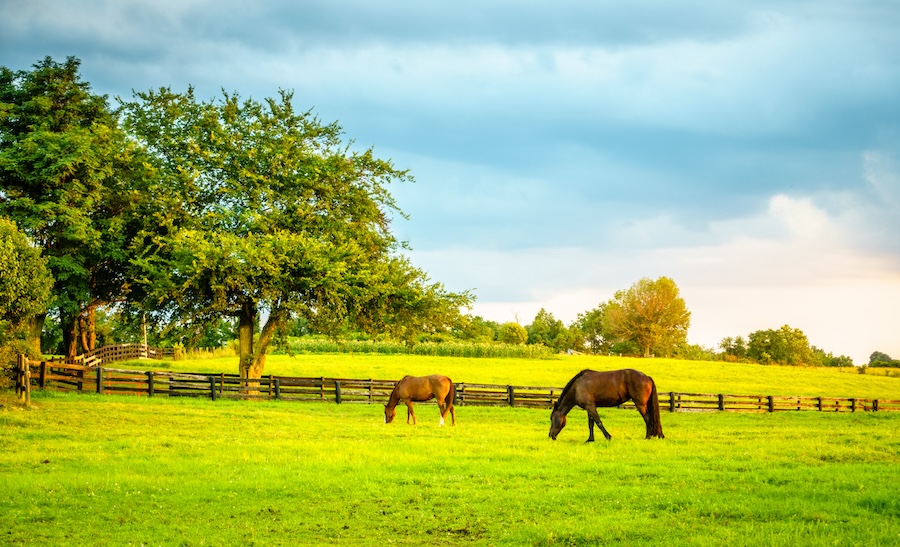
Farmville and Prince Edward County
Where It Is: Farmville sits roughly 60 to 70 minutes southwest of Richmond on US-460 — far enough that it’s not a commuter market, close enough that a trip to the city doesn’t feel like an expedition. It’s Rock River’s home base, and that’s not an accident.
Look & Feel: Farmville has something most rural Virginia towns don’t: a genuine downtown. Longwood University anchors the community with restaurants, arts, and a college-town energy that punches well above the town’s size. Step outside the downtown and you’re in some of the most open, affordable countryside in Central Virginia — large lots, low density, and the High Bridge Trail running 31 miles through it all on the longest recreational trestle bridge in Virginia.
What You Get for Your Money: The most land for the dollar of any area on this list, combined with the lowest property taxes in Central Virginia. For remote workers and retirees who aren’t tethered to a daily commute, Farmville consistently delivers the best value in the region — and the gap between what you get here and what you’d pay closer to Richmond is significant. Take a peek at the community we’re building — Away At Briery.
Why Buy Now: Farmville hasn’t been discovered the way some of the closer-in markets have — which is exactly the point. The buyers who come here now are buying ahead of the attention, not after it. As remote work continues to expand the range of where people can realistically live, markets like this one tend to move fast once they get noticed.
Watch For
- Not practical for daily Richmond commuting — be honest about your commute frequency before you fall in love with the land prices
- Healthcare options are more limited than closer-in counties — factor that in if it’s a priority
“Farmville is where we started, and it’s still where we do some of our best work. The land values are real, the community is real, and buyers who come out here with open eyes almost always end up glad they made the drive.”
— Jerry Throckmorton, Project Manager, Rock River Homes
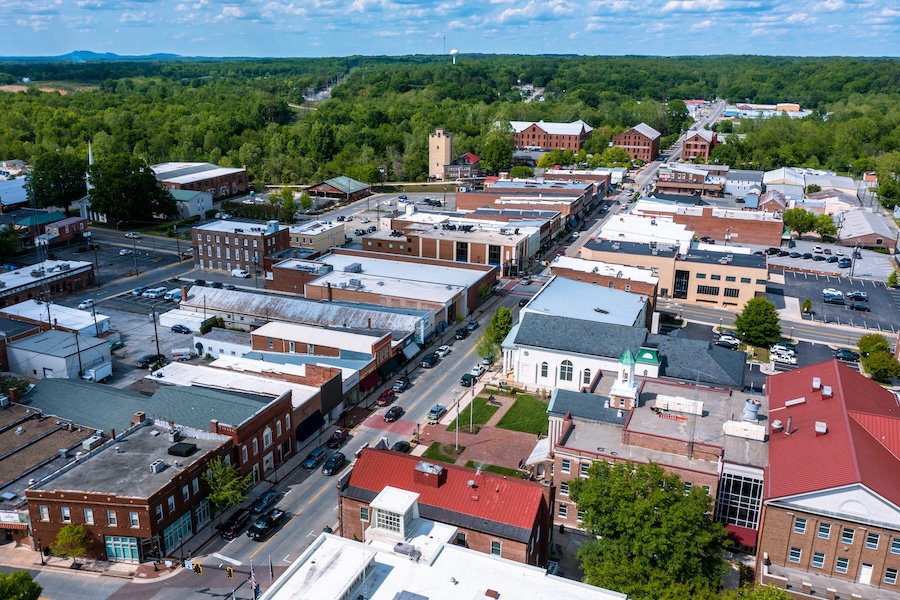
Scottsville and the James River Corridor
Where It Is: Scottsville sits on the James River in southern Albemarle County, 30 to 40 minutes from Charlottesville along the Route 20 corridor. It’s one of the few places where you can get genuine proximity to a university market without paying university market prices.
Look & Feel: Scottsville is one of the most underappreciated towns in Central Virginia. Incorporated in 1818, Scottsville has held onto a small-town character that’s increasingly rare this close to Charlottesville. The James River is the backbone of life here — kayaking, tubing, fishing, and swimming draw people to the water year-round. The annual Batteau Festival, a floating celebration on hand-built boats traveling the full length of the James, is the kind of community event that signals a real local identity rather than a manufactured one. The walkable historic downtown has the restaurants and shops that Charlottesville buyers were looking for before prices pushed them south.
What You Get for Your Money: Land values in Scottsville are meaningfully lower than comparable Albemarle County properties, and the commute to Charlottesville is manageable for hybrid workers. For buyers who want the Charlottesville lifestyle without the Charlottesville price tag, Scottsville is the clearest answer on this list.
Why Buy Now: As Albemarle County prices have climbed, Scottsville has quietly become one of the most logical alternatives for buyers priced out of that market. That logic is starting to show up in demand — and in values.
Watch For
- Flood zone status varies significantly by lot near the James River — verify before purchasing, not after
- Some riverside lots carry restrictions on what can be built and where based on flood plain designation

The Northern Neck
Where It Is: The Northern Neck is a peninsula between the Potomac and Rappahannock Rivers, with Chesapeake Bay access at its tip. It’s remote from Richmond and Northern Virginia in terms of drive time — plan on 90 minutes to two hours depending on where on the peninsula you land — but that distance is part of the point.
Look & Feel: This is coastal Virginia at its most unhurried. Irvington and Kilmarnock serve as the commercial and cultural centers, with independent restaurants, galleries, and a year-round community life that doesn’t feel like it’s performing for tourists. Reedville is one of the last working waterman towns on the Bay. Colonial Beach sits on the Potomac with a more accessible waterfront energy. Each community has its own character — what they share is water, quiet, and a pace of life that’s genuinely hard to find this close to the D.C. market.
What You Get for Your Money: Waterfront pricing here is a fraction of comparable Maryland or Delaware markets. For buyers from Northern Virginia or D.C. who want Bay access without Bay prices, the Northern Neck is consistently one of the best values on the East Coast. Rock River actively builds here, including completed waterfront homes, and we know the market from the inside. Take a peek at the community we’re building — Garland Lake.
Why Buy Now: Northern Virginia and D.C. retirement buyers have been discovering the Northern Neck in growing numbers over the past several years, and that demand is showing up in values — particularly for waterfront and water-access properties. The gap between what this market offers and what buyers pay elsewhere for the same lifestyle is narrowing.
Watch For:
- Chesapeake Bay Preservation Act requirements apply to waterfront lots and affect what can be built and where — understand these before purchasing
- Some areas have limited broadband access — verify at the specific address before committing
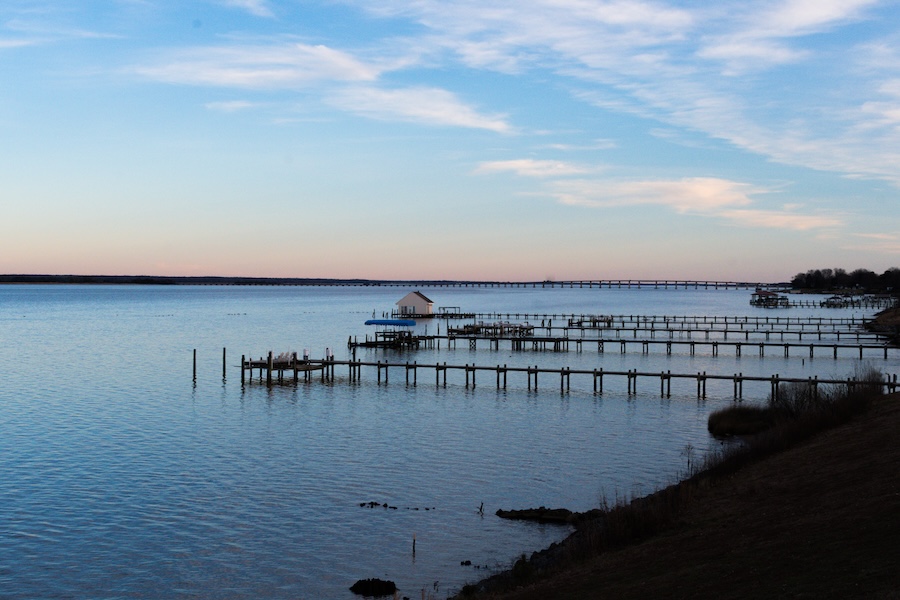
Lake Gaston
Where It Is: Lake Gaston is a 20,000-acre reservoir with more than 350 miles of shoreline straddling the Virginia–North Carolina border. It draws buyers primarily from Raleigh-Durham, southern Virginia, and Hampton Roads — and sits within a reasonable drive of all three markets.
Look & Feel: Lake Gaston is about the lake. Boating, fishing, water sports, and waterfront living are the primary draws, and the community that’s built up around the reservoir reflects that. This isn’t a place people move to for the downtown or the college energy — it’s a place people move to because they want to be on the water, and the lake gives them that every day.
What You Get for Your Money: Land values and build costs at Lake Gaston are meaningfully lower than comparable lake markets — Lake Norman in North Carolina being the most obvious comparison. For buyers who want a lakefront lifestyle at rural Virginia prices, Gaston consistently delivers more for the dollar than the established Carolina lake markets.
Why Buy Now: Rock River is actively expanding its build footprint at Lake Gaston, and buyer interest from both the Virginia and North Carolina sides has been increasing. Lake markets tend to move in one direction once they get noticed — and Gaston is getting noticed.
Watch For
- The Virginia–North Carolina state line runs through the lake — permitting requirements, property taxes, and regulations differ depending on which side the property sits on
- Waterfront lot availability is finite — the best sites go quickly in active lake markets

What to Know Before You Move to Any of These Areas
Wherever you’re considering, a few things are worth doing before you go under contract on a property.
Talk to a Builder First
Site costs — clearing, well, septic, utility hookups, driveway — vary significantly by property and can change your budget picture more than the land price itself. A 30-minute conversation before you make an offer is worth more than you’d think. Curious about what’s involved in building? Our step-by-step guide is a good place to start.
Perc Test Before You Go Under Contract
Make the perc test a contingency, or confirm it’s already been done. A failed perc after closing is a far more expensive problem than a failed perc before. This applies to any rural lot, in any county.
Verify Internet at the Specific Address
Rural internet access has improved significantly across Virginia, but it’s not uniform. Don’t check the county — check the actual address. Providers and speeds can vary dramatically from one road to the next.
Check Flood Zone Status
FEMA flood zone designation affects both what you can build and what you’ll pay for insurance. This comes up most often near the James River in Scottsville, on waterfront lots on the Northern Neck, and on Lake Gaston properties near the shoreline. Verify before you fall in love with a lot.
Understand County Permitting Timelines
Some rural Virginia counties turn permits around in a few weeks. Others take several months. A builder with experience in your specific county can tell you what to expect — and submit applications that go in right the first time.
Which Area Is Right for You?
There’s no single best answer — the right area depends on how often you commute, what you want from the property, and what trade-offs you’re willing to make. Here’s a quick framework:
| If... | Consider... |
|---|---|
| Richmond access is your priority | Goochland or Powhatan |
| You need both Richmond and Charlottesville access | Louisa or Fluvanna |
| You want the most land for your dollar | Farmville / Prince Edward County |
| You want Charlottesville access with small-town character | Scottsville |
| You’re retiring or buying a second home near water | Northern Neck |
| A lake lifestyle is the priority | Lake Gaston and Louisa |
Whatever area you’re considering, the next step is understanding what it would actually cost to build there — and that starts with a conversation about your specific land and what it needs. For a closer look at what goes into a rural build budget, our Hidden Costs of Buying Land in Virginia post is a good place to start.
Virginia’s rural markets have a way of surprising people. Buyers who make the drive out expecting to compromise often come back talking about what they found instead — more land, more quiet, more house, at a price that actually works. The six areas in this post don’t all look the same or appeal to the same buyer, but they share something: they’re places where the trade-offs still favor the person willing to look outside the box. That won’t be true forever, but it is right now.


Become Part of the RRH Family
Explore the ways Rock River can help you find the perfect fit for you and your family.